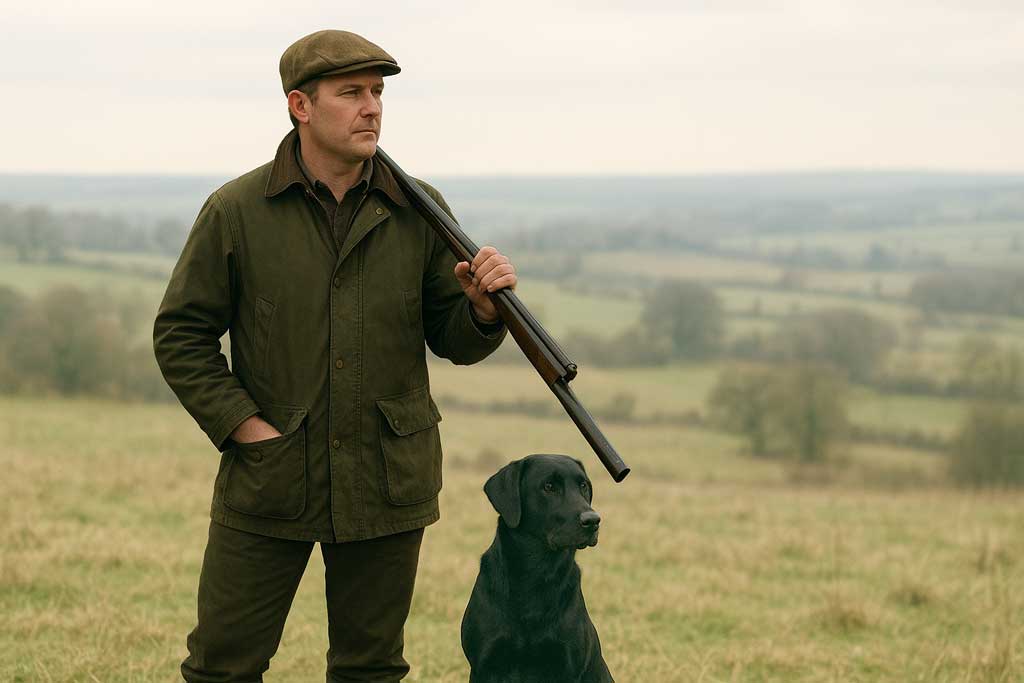
Quality insurance for gundogs differs dramatically from standard pet cover, and understanding these differences could save you thousands whilst preserving your shooting partnership.
A single encounter with barbed wire or an unfortunate slip on wet rocks can end a shooting season prematurely—or worse, permanently.
The Unique Hazards Gundogs Face in the Field
Gundogs operate in environments that would challenge even the most comprehensive standard pet insurance policy. From icy rivers to dense bramble thickets, these dogs encounter hazards that domestic pets never face.
The very nature of gundog work places them at constant risk. Water retrieves in freezing conditions can lead to hypothermia, whilst working through thorny cover regularly results in cuts requiring veterinary attention. Rough terrain causes pad injuries, sprains, and occasional fractures that can sideline a dog for weeks or months.
Environmental Dangers That Standard Policies Miss
Traditional pet insurance often excludes injuries sustained during “sporting activities,” leaving gundog owners dangerously exposed. Even policies that don’t explicitly exclude such activities rarely provide adequate coverage for the unique risks gundogs face.
Consider the common scenario of a retriever collecting a wounded bird from thick brambles. The resulting cuts and scratches might seem minor, but deep lacerations can require surgery, antibiotics, and extended rehabilitation periods. Standard pet insurance might cover basic treatment but won’t compensate for the lost shooting days that follow.
Why Your Gundog Needs Specialist Coverage
The fundamental difference between pet insurance and specialist gundog coverage lies in recognising these dogs as sporting partners rather than simple companions. This distinction affects every aspect of policy coverage and claim handling.
Regular pet insurance treats all dogs identically, regardless of their activities or training. Gundog insurance acknowledges the unique risks, high training investment, and potential earning capacity that distinguish these animals from household pets.
The Training Investment Factor
A fully trained gundog represents a substantial investment that standard pet policies fail to recognise. Professional training can cost £3,000-£8,000, whilst the time investment often spans 18-24 months of intensive work.
If your seasoned retriever suffers a career-ending injury, standard pet insurance might cover the veterinary bills but offers nothing towards replacement costs. You’re left facing the prospect of starting again with a puppy, losing years of partnership and field experience.
Understanding Coverage Gaps in Standard Policies
Most pet insurance policies contain exclusions that specifically impact gundog activities. These gaps often aren’t apparent until you need to make a claim, by which time it’s too late to seek alternative coverage.
Common exclusions include injuries sustained during organised shoots, accidents occurring whilst working in water, and damage from wildlife encounters. Some policies even exclude coverage for dogs that generate any income, potentially affecting beaters and pickers-up who receive payment for their services.
The Income Generation Problem
Many standard pet policies contain clauses that void coverage if your dog generates income through their activities. This can affect beating, picking-up, and even informal arrangements where you receive payment for your dog’s services at shoots.
Professional gundog insurance recognises that many working gundogs contribute to household income and structures coverage accordingly, rather than penalising owners for their dogs’ earning capacity.
What Specialist Gundog Insurance Actually Provides
Quality insurance for gundogs goes far beyond basic veterinary coverage to provide comprehensive protection for both dog and owner. The best policies recognise the partnership between handler and dog, protecting the investment in both training and potential earnings.
Veterinary coverage typically provides higher limits than standard pet policies, often £15,000 or more per incident with no annual maximum. This reflects the reality that gundog injuries often require specialist treatment from veterinary practices experienced in sports medicine.
Loss of Use and Business Interruption
One of the most valuable aspects of gundog insurance is loss of use coverage. If your dog cannot work due to injury or illness, quality policies provide compensation for lost opportunities and income.
This might cover the cost of missing shoots you’ve paid for, compensation for beating or picking-up work you cannot fulfil, or simply acknowledgment that your shooting season has been significantly impacted by your dog’s absence.
Replacement and Retraining Costs
Perhaps the most important distinction between standard pet insurance and specialist gundog coverage lies in replacement and retraining benefits. If your dog suffers a permanent injury that ends their shooting career, comprehensive policies will fund both a replacement dog and the training required to bring them to working standard.
This coverage acknowledges that replacing an experienced gundog isn’t simply a matter of purchasing another puppy. It requires significant time, money, and expertise to develop the skills that make a truly effective shooting companion.
Breed-Specific Risk Assessments
Different gundog breeds face varying risk profiles in the field, and understanding these distinctions helps in choosing appropriate coverage levels. Spaniels working thick cover face different challenges than pointers working open ground.
Retrievers, particularly Labradors and Golden Retrievers, face elevated risks from water work. Cold water retrieves can lead to hypothermia, whilst hidden obstacles in ponds and rivers cause cuts and impacts. These breeds also show higher incidence of joint problems from repetitive retrieving activities.
Pointer and Setter Considerations
Pointing breeds cover vast distances and often work in challenging terrain that increases injury risks. Their ranging style exposes them to wildlife encounters, boundary disputes with livestock, and potential vehicle accidents when working near roads.
These dogs also face higher risks of heat exhaustion during warm weather work, as their intensive hunting style can lead to overexertion in challenging conditions.
The Spaniel Challenge
Spaniels represent the highest risk category among gundogs due to their enthusiasm and tendency to work extremely thick cover. Their close-working style brings them into contact with thorns, barbed wire, and hidden obstacles that can cause serious injuries.
Eye injuries are particularly common among spaniels, as their head-down hunting style increases exposure to thorns and branches. Ear problems from wet conditions also occur frequently, requiring ongoing veterinary attention throughout the shooting season.
Financial Planning for Gundog Owners
Understanding the true financial impact of gundog ownership extends beyond simple insurance premiums to encompass the total cost of maintaining a shooting partnership. Quality insurance forms part of comprehensive financial planning for gundog activities.
Consider the annual costs associated with your shooting activities: syndicate fees, training sessions, competition entries, and equipment maintenance. Factor in the potential costs of injury or illness, including veterinary bills, lost shooting opportunities, and replacement training.
The Earnings Potential Calculation
For dogs that contribute to household income through beating, picking-up, or breeding activities, calculate their annual earning potential over their working lifetime. A good picking-up dog might earn £1,500-£3,000 annually over an 8-10 year career, representing £12,000-£30,000 in lifetime earnings.
Your insurance coverage should reflect not just the dog’s purchase and training costs, but also their potential contribution to your shooting activities and income over their working life.
Selecting the Right Policy
Choosing appropriate insurance for gundogs requires understanding both your specific needs and the various options available in the marketplace. Not all insurers understand gundog activities, and selecting the wrong provider could leave you exposed when you need coverage most.
Look for insurers who specialise in gundog coverage or have extensive experience with sporting dog claims. These providers understand the unique risks and requirements associated with shooting activities and structure their policies accordingly.
Essential Policy Features
Quality gundog insurance should include several non-negotiable features that standard pet policies typically omit. Veterinary coverage should provide adequate limits for modern treatment costs, typically £12,000 minimum per incident with no annual maximum.
The policy should explicitly cover sporting activities without exclusions for organised shoots or working activities. Third-party liability coverage should be enhanced to reflect shooting environments, where accidents can have serious consequences.
Protecting Your Shooting Partnership
Insurance for gundogs represents essential protection for one of shooting’s most important partnerships. The bond between handler and dog develops over years of training and field work, creating a team whose effectiveness far exceeds the sum of its parts.
Quality insurance ensures that this partnership can weather the inevitable challenges that arise during a gundog’s working career. From minor injuries that require brief rest periods to serious accidents that demand extensive rehabilitation, comprehensive coverage provides the financial security that allows you to focus on your dog’s recovery rather than worrying about costs.
Your gundog represents more than just a financial investment—they’re your shooting companion, your pride in the field, and often your closest hunting partner. Protecting that relationship with appropriate insurance isn’t just sensible financial planning; it’s an acknowledgment of the irreplaceable value that a well-trained gundog brings to your shooting activities.
Featured image: AI generated.